La Jetee

la jetee

Director: Chris Marker

Year: 1966


How the protagonist and other characters are established and developed

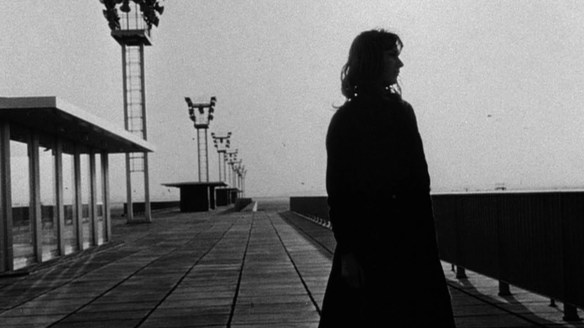
  • We only learn about the woman through the man
  • The protagonist develops and is established by going back and forth in time, and through the non-diegetic sound of his heartbeat to convey emotion, as well as the voice over


How time and place are established and represented

  • Time is used as a massive part of the storyline and the structure of the movie. Going back and forward in time is intertwined with the theme of memories, love, childhood, relationships and war


The use of enigma and narrative crisis and resolution

  • The antagonists caused the crisis at the end of the movie, and this wasn’t resolved as it was right at the very end (you can’t escape the present?)


An exploration of binary oppositions in the films


Men and Women

  • You only see the woman through the man’s perspective


The present and the past/future

  • You can’t escape from the present
  • Switching between the present, past and future is a huge part of the narrative structure as well as the plot. The beginning introduces a childhood memory, and the ending explains this memory by showing the protagonist going back into the past
  • The animals are represented as timeless, just like the man and women in that moment

Night Fishing

night_fishing_2011_a_l

Directors: Park Chan-wook & Park Chan-kyong

Year: 2011


Notes 

  • Explores mortality
  • Filmed on an iphone

How the protagonist and other characters are established and developed

  • The protagonist is explored in interesting ways as they become seen through an entirely different body/person.
  • The singing people at the beginning are explored but only later in the film, and they are watching the protagonist?
  • The child makes the film very emotional
  • The woman is established through mystery


How time and place are established and represented

  • Night-time is when everything changes
  • The ocean is represented as dangerous????


The use of enigma and narrative crisis and resolution

  • A lot of the drama revolves around family struggles
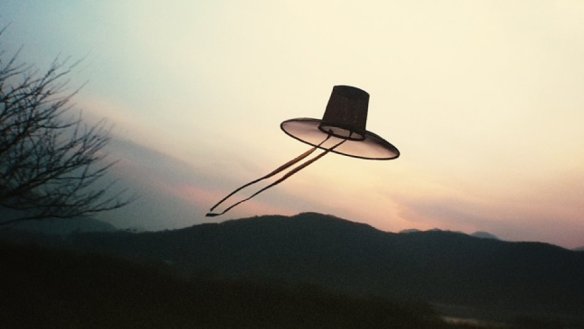
  • The use of inanimate objects like the hat and the use of bells


An exploration of binary oppositions in the films


Humans and Nature

  • The man is shown as disruptive to nature? The amount of fishing rods seemed invasive, the cutting of the fish in close up seemed cruel and violent. However, at one point her wear no shoes possibly implying a closeness to nature.
  • The nature/sea/river is represented as dangerous to humans?


Men and Women

  • The man is shown as more emotional than the women


Night and Day

  • Bad things tended to happen at night?
  • The day tended to have beautiful nature shots and colour


Meshes of the Afternoon

meshes of the afternoon

Directors: Maya Deren & Alexandr Hackenschmied

Year: 1943


How the protagonist and other characters are established and developed

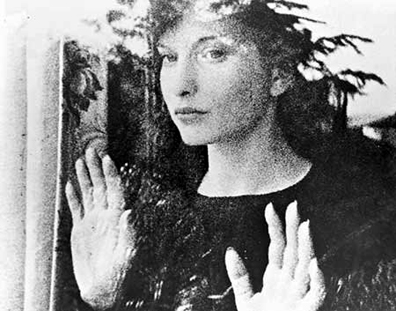
  • The protagonist takes the form of every character, and her character changes a lot throughout the film. This includes the form that she takes place, and by exploring the binary opposition of good and evil.


How time and place are established and represented

  • The protagonist is in a dream like state, and the line between reality and dream is blurred beyond recognition


The use of enigma and narrative crisis and resolution

  • The narrative crisis is heavily involved in the blurred line between reality and dream, as well as how the main character is actually all of the characters
  • The use of objects/mise en scene like the mirror, the key and the flower

An exploration of binary oppositions in the films


Reality and Dream

  • The line between the two is completely blurred, and the story becomes more and more layered in terms of this binary opposition as the short film continues. This includes in terms of characters and the mise en scene

When The Day Breaks

when the day breaks

Directors: Amanda Forbis & Wendy Tilby

Year: 1999


Notes:

  • Anthropomorphized short film
  • Explores the intertwining of everyone’s lives
  • Use of circles to emphasise the intertwining of everyone’s lives e.g. circle glasses, circle biscuits, circle drain, circles that help make the tap’s pipes, circle handle of the blinds
  • Non-verbal story telling
  • Motif of the lemon – symbolises bitterness in life?
  • Open ending?
  • Explores mortality


How the protagonist and other characters are established and developed

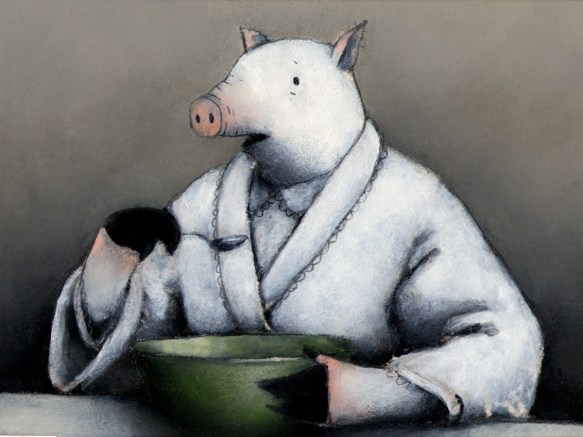
  • The Cockrill is portrayed as being sad, contrasting to the pig who is joyful and singing. However, after their interaction their emotions switch. The pig is then sad after the day has broken, and she has witnessed a death.


How time and place are established and represented

  • Everyone is shown as connected through the wires and pipes, as well as their actions effected each other’s lives. As well as through the use of circles to symbolise everyone and everything being connected.
  • Time – life can change in an instant, everything changes so quickly. They show their family albums showing how their long life has ended in a second.
  • Place – the pigs home seemed so happy before, the chair falling was part of the song and happiness. After the incident, the chair on the floor feels sad.


The use of enigma and narrative crisis and resolution

  • The narrative crisis causes a flip in the pigs’ life. It causes all happiness to go, and causes her to shut herself away from society
  • The resolution is her opening the blind to see the sun shining, suggesting she is ready to open herself up to the world again, understanding that we are all connected (unplugging the wire)


 An exploration of binary oppositions in the film


Happiness and Sadness

  • The pig’s house at the beginning is full of happiness, but after the incident it was sadder, and emptier.
  • The contrast of the pig and the Cockrill’s emotions, and the pig becomes sad after interacting with the Cockrill


Humans and Animals

  • The usual binary opposition of human and animals is brought together in this short film, as the animals act like humans.


Isolation and being open to society

  • The pig opening up her blind at the end of the movie suggested that she was opening herself up to society again, which gave a sense of hope to the audience that she will be happy again
  • The pig isolates herself when sad
  • The film shows how even when we try and disconnect ourselves, everyone in society is still connected


Beasts of the Southern Wild ISP Questions


Examine how either sound or editing is used in one sequence from your chosen film. [10]

The montage in the opening of ‘Beasts of the Southern Wild’ shows all of the best bits of the Bathtub to the audience. For example, we get to see the community aspect to the bathtub which aligns us with them. This is through the mise en scene and performance of the people of the bathtub parading down the street together, while positive folk music plays both diegetically and non-diegetically adding to the positive community feel; this is also an example of the audience being positioned with the bathtub. However, this is also an example of different responses, as while some audience members might be focused on the community aspect, others might view their actions of drinking around children irresponsible, especially since this alcohol effects their actions such as making babies race. The slow cut rate during the montage allows the spectator to develop views and opinions like these responses as they are given time to consider what they are seeing. Some viewers might be active viewers during this scene in the montage, as they may consider the benefits and downsides to the way the adults act around their children. Another part of the montage editing that can be interpreted as showing the good side to the bathtub is the part at the beginning when Hushpuppy is eating. During ‘feed up time’, she is at one with the animals as she eats with them and shares the food with them. This links to how the teacher woman said, ‘we are all part of the buffet of the universe’. This brings the binary oppositions of animal and humans together as equals, rather than opposing them. Another example of this is when we are positioned with Hushpuppy through subject positioning of the heart beat when she holds the bird to her ear and we hear it too, this performance shows that she is caring, which is a reason why we are aligned with her as an audience but also shows that she is caring towards animals.


Explore how far spectators respond both actively and passively to film. Illustrate your answer by close reference to your chosen film. [20]

The exposition of the movie is likely to be watched by a passive viewer, as it’s normal for the opening of movies to give the spectator lots of information, like ideologies and the characters values, that the spectator just needs to take in as a way of setting up the film. For example, the opening montage allows the spectator to see how the people of the bathtub value animals as equals, as Hushpuppy eats with them and shares her food with them. This is reinforced with the teacher woman saying, ‘we are all part of the buffet of the universe’. However, as the montage continues, a spectator is likely to be driven to be active, as they might question the positive and negative sides of the way that the Bathtub act around children. For example, a spectator might respond by seeing the adults behaviour as irresponsible, as the performance of the drinking around children encourages imitation from the children, and the alcohol influences their decisions and makes them do things like race babies. A different response may be that they agree that this is irresponsible, but also see the freedom and community aspect of the Bathtub. The mise en scene of everyone together, and the positive, diegetic and non-diegetic folk music provides this sense of community.

During the opening of ‘Beasts of the Southern Wild’ there is a scene where Wink and Hushpuppy are looking at the Levee. During this scene, the spectators are passive viewers as they are directly told Wink’s values on the ideology of environmentalism. An example of this, is when he calls the factories and the buildings ‘ugly’. This is part of the binary opposition of the bathtub and the Levee, as the bathtub has a lower carbon footprint than the Levee which is a reason why we are aligned with them. This opposition is emphasised with the mise en scene, as the Levee is at a distance and unsaturated, contrasting to the Bathtub which is colourful, and literally walled off, adding to the opposition. This opposition makes the spectator an active viewer, as they are inclined to compare the two ways of living, and possibly compare it to their own life too. The positioning with Wink then changes back to Hushpuppy when she comes into focus. Her voice over also provides ideas of environmentalism that she believes in, such as her confusion about how the Levee put their fish in ‘plastic wrappers’. However, a spectator might be active and consider to what level these ideas are hers, and to what extent she has been influenced by her father. Despite this, we are aligned with the bathtub as we know that being an environmentalist is a good thing.

Towards the end of the movie, when Wink is dying, the editing and sound encourages an active viewer rather than a passive viewer. The action reaction shots of Wink dying, and Hushpuppy have a slow cutting rate which means the spectator has the time to decide what they feel, consider the characters values of ‘no crying’, and decide who they are positioned with in this scene. The sound also allows the spectator to be active, as the lack of music means that the viewer is not guided or told what to feel, they decide and feel it for themselves. The active viewing continues after Wink’s death, during the funeral. When Hushpuppy is setting Wink’s body on fire, an active spectator might consider whether they believe it was right for Hushpuppy to be the one to do this, or irresponsible. A viewer might believe that it was right for Hushpuppy to do this, as exposing children to the dark side of life is inevitable and in some cases it’s not fair to shelter them. Plus, an active viewers interpretation of the symbol of the aurochs might be that they symbolise her fears or maybe even innocence, and so the performance of Hushpuppy turning round and facing them, and the long shot of them bending down to her, showed an active viewer that Huhpuppy was strong, able to stand up to her fears, and more mature than a child who needs to be sheltered from everything. Therefore, an active viewer might believe that it was right for Huspuppy to be the fire starter, as she has shown that she is capable, and her just watching, would have been going back on the way that Hushpuppy is presented to us.


Explore how far spectators respond in the same way to a film. Illustrate your answer by close reference to your chosen film.  [20]

The opening of ‘Beasts of the Southern Wild’ attracts different responses from spectators. At the very beginning, as it’s an exposition, most spectators are passive as the audience are told and shown directly characters ideologies and values. For example, how the people of the bathtub view themselves as equal to animals shown by the beyond close sonic perspective, subject positioning of the heart beat sound when Hushpuppy listens to the birds heart beat showing she cares for animals (making spectators aligned with her), and how during the ‘feed up time’ sequence in the montage, Hushpuppy eats with the animals and shares her food with them, this directly shows spectators that Hushpuppy values animals as equal to human, and the binary opposition of animal and human are brought together instead of opposed. As this is a passive sequence, most spectators would feel the same response, which is probably a respect for the way that Hushpuppy is caring for animals especially the bird because of her performance. However, as the montage sequence continues, spectators might start to respond in different ways. For example, according to Hall’s theory, the preferred response when the community are together drinking on the street is probably that the Bathtub is a positive place, where community is important, which is a response that some spectators would have. A reason why, is the performance of everyone being together emphasising the community feel, and the positive feel that the non-diegetic and diegetic folk music has on the scene. However, an oppositional reading and response (Hall), could be that the adults act irresponsibly, especially considering they are around children. They might believe that the performance of them drinking alcohol, encourages the children to do the same; children can be drinking, but most spectators assume it’s water. Plus, the drinking influences the adult’s actions, such as making them race babies, Therefore, a spectator’s response could instead be that the bathtub has irresponsible rules or lack thereof, rather than a good and free place. However, the most common response is probably the negotiated reading (Hall), where spectators combine these two attitudes about the bathtub.


The motif and symbol of the aurochs encourage a range of readings and responses from the audiences. Ad there true meaning is never explained explicitly, all active viewers would end up creating and attaching their own meaning to this symbol, therefore creating different responses between each individual. One response of the aurochs is that they symbolise Hushpuppy’s childhood and/or fears. This is because throughout the film, they keep appearing and re-appearing until the end when she stands up against them. The performance of her standing up against them, and the long shot of the aurochs kneeling down to her, shows that she has conquered the fears and/or difficulties that they represent, or maybe her childhood and innocence, as she says ‘I’ve got to take care of my own’, suggesting she is growing up. This line also adds to the theme of self-reliance, that the people of the bathtub have shown to have as a value throughout the movie. The response that the aurochs are a symbol for her childhood is reinforced with the music box non-diegetic music that plays one note at a time when Hushpuppy turns around and faces them, as the song has connotations of innocence and childhood.  However, another response that active viewers might have of the aurochs is that they represent the environmental problems, which adds to the ideology and theme of environmentalism that is explored throughout. This is because the aurochs came from the melting ice, and so they could be a symbol for the environmental problems that the world, but especially the bathtub have to face as they have to deal with floods. Hushpuppy standing strong against them, shows that she is able to deal and cope with the environmental problems, despite being a child, as the representation of children in this film is that they are strong and don’t need to be sheltered. This is an example of being aligned with Hushpuppy, as she is shown as brave as well as varying which is shown earlier in the film, such as how she cares for animals.


Another scene that encourages different responses from spectators is the catfish sequence; as there are many possible responses to this sequence, the viewer is active, as it’s difficult for someone to passively take in information during this scene, as nothing is explicitly said to the spectator. A possible response is that the reason that the cat fish building seems so lovely and warm, such as the mise en scene and cinematography of the brightly coloured fairy lights, is because we see everything from Hushpuppy’s perspective, we are positioned with her, and she is looking for something good and pure which is reflected by what she see’s and therefore what we see. The low-level camera work reinforces this positioning with Hushpuppy, and how we see the world from her perspective. This is why the camera focuses on the performance of the hugs, because Hushpuppy is looking for motherly love and so that’s what the spectator see’s too. However, this might not be interpreted by all spectators. Instead, a viewer might be focusing on the women like Hushpuppy’s mother and creating responses to her specifically. The preferred response is probably how Hushpuppy is imagining this woman is her mother, and she is looking for a mother figure. However, an oppositional reading and response is that Hushpuppy imagined her mother being there, and that the woman she interacted with wasn’t even there at all. The cinematography of the bright light when they walk into the kitchen could suggest a dream, and all the references to the mother like the alligator and the beer and the repeated camera angle of her back could be to show the spectator that Hushpuppy is imaging her mother is there. The shot of the air, as stuff floats from the pan, could suggest that the woman isn’t actually there as she cannot be seen, just like earlier in the film when Hushpuppy pretends to be talking to her mother but instead when the camera turns to the chair, she cannot be seen. Plus, after the woman leaves, Hushpuppy is in the same position as she was before, these proxemics could suggest to some spectators that she never moved at all, and instead imagined the whole thing.

Beasts of the Southern Wild – Aurochs and Hospital


Positioning vs Alignment

  • Position switches between Wink and Hushpuppy
  • Aligned with the Bathtub when they physically face them – like they are being invaded
  • Aligned and positioned with Hushpuppy when her dad is fighting


Film Form/Dynamic Interaction with Spectator

  • voice over narration (doesn’t necessarily passivy the viewer)
  • auroch – symbolic of themes (e.g. growing up, fear, environmentalism – magical realism)
  • aurochs – cannibalistic, pigs because she hasn’t seen what they really look like
  • aurochs – high contrast lighting
  • can’t tell the difference between the aurochs
  • low camera angle – aurochs
  • aurochs – slow music and close sonic perspective of snorting etc
  • sound of helicopter – invading
  • point of view shot
  • people look like outsiders – clean shirt
  • Over the shoulder shot when taking the woman in a forceful way
  • movement cutting through frame
  • hand held camera
  • can’t see Hushpuppy briefly
  • first proper building that we have seen – looks secure and safer but it has no windows, and looks intimidating, soulless and lacking in character, not very opening
  • high key lighting
  • whiteness and lack of colour
  • ‘it didn’t look like a prison’ – being taken from home is the equivalent to prison maybe
  • ‘fish tank without any water’ – see the world from a child’s perspective
  • Voice over is in past tense like she is retelling the story – possibly as an older woman looking back
  • plastic tray and artificially shaped food
  • regimentation
  • low angle up at doctor (results) – her point of view
  • not in-front of my kid – wants what is best for her, he does have responsibility etc (contrasting to previous scenes)
  • sound is echoing – just about hear ‘you could die’
  • rejects what is possibly treatment (theme of self-reliance, goes against his principles)
  • music box music comes back
  • Hushpuppy in a blue dress out f character (ideologically and stereotyping what a girl should wear/social construct) seems unnatural and she looks uncomfortable
  • Hushpuppy looks uncomfortable and separate – she’s still while everyone else moves – unfamiliar to her
  • plastic toys (contrasting to the beginning of the film)
  • out of focus image of her dad, then focuses. Not like his character. (plastic on his nose)

Binary Oppositions

  • Bathtub and Levee – regimentation, plastic trays (vs feed up time from earlier), artificially shaped food


Passive/Active Viewing

  • Active – aurochs
  • Passive – being taken to the hospital


Range of Readings/Responses (Hall)

  • different interpretations of the aurochs e.g. environmental side


Ideology/Values

  • environmentalism
  • self-reliance

How does film language align the spectator with specific characters in the film you have studied? – BOTSW


During the opening of ‘Beasts of the Southern Wild’, we are aligned and positioned with Hushpuppy. For example, through subjective positioning we hear things from her perspective like the bird’s heartbeat when she holds it to her ear. This performance of her listening to the bird’s heartbeat shows that she is caring, meaning the audience is now aligned with her. The low-level camera work throughout the film reinforces our positioning with Hushpuppy as we are physically at her level which links to how we see the world from her perspective. Such as, when Hushpuppy is in the ‘floating catfish shack’, the audience would assume this to be a brothel but from Hushpuppy’s perspective and due to being positioned with Hushpuppy, the place looks magical and lovely such as with the mise en scene of the colourful fairy lights.


Throughout the film we are usually positioned and aligned with the people of the bathtub, especially Hushpuppy and Wink. We are aligned and normally positioned with the bathtub instead of the Levee, which is represented negatively through the characters we are aligned/positioned with; this links to the Bathtub and the Levee being a binary opposition. For example, when Wink and Hushpuppy are on the boat, the mise en scene of the Levee is desaturated, grey, dim and at a distance which contrasts greatly to the bathtub which is colourful and has people like Hushpuppy that we are aligned with. This creates the idea that we are not positioned with the Levee or the people that live there, as it’s literally at a distance and walled off. We are also not aligned with the Levee or the people that live there. This is reinforced when Wink discusses how the Levee do not act in an environmentally friendly way, contrasting to the bathtub which has a low carbon footprint. This links to the ideology of environmentalism, which the bathtub all believes in and live by which is a reason why we are aligned with them as an audience. An example of Wink discussing the non-environmentally friendly side of the Levee is when he calls their buildings and polluting factories ‘ugly’. The perspective then changes as Hushpuppy comes into focus, her voice over then supports the idea of environmentalism too and criticises the Levee for having fish in ‘plastic’. An active audience member might consider whether the things that Hushpuppy is thinking are her own true opinions or if she’s just copying and learning from her father Wink. However, throughout the film the representation of children us that they are strong, and don’t have to be treated completely differently to adults. Meaning, her voice over on environmentalism is probably what she truly believes. An example of child being represented as strong is through the mise en scene and performance of Hushpuppy during the ending when she turns around and faces the aurochs which an active viewer might interpret as a symbol for her childhood and/or fears. Her standing up against them with a brave face and making them kneel down, shows how she is strong as a child and can handle her fears. The music stopping when she faces them, and then the music box sound playing briefly empathises the impact of this moment and how she is a capable and strong child. However, the symbol of the aurochs gathers a range of readings and responses (Hall). For example, one audience member may see them as a symbol for her childhood and fears, but another may view them as a symbol of the environmental problems as they came from the ice, again adding to the ideology of environmentalism which is explored throughout the film. That means that this scene could be suggesting that despite being a child, Hushpuppy is able to cope and stand up to the very real effect that environmental problems have on the Bathtub like the floods.


Just before the hospital sequence, we are again positioned and aligned with the people that live in the Bathtub as the outsiders who come and take them are presented negatively. For example, the over the shoulder shot of the woman forcefully being taken by them adds to the idea that these people are invading them. This invading feel started with the mise en scene and the sound, as the helicopter sound gave the invading feel to the scene and the mise en scene of their clean and formal shirts makes them seem like outsides. There is even a brief time when we are not positioned with Hushpuppy and cannot see her at all despite being positioned with her dad which builds the tension in the spectator as we are worried for her. When we see the hospital, it appears soulless and has no windows, contrasting to the bathtub which was colourful and open to nature, which is again adding to the binary opposition of the Levee and the Bathtub as well as making the hospital seem like a negative place. Once in the hospital we are again positioned with Hushpuppy. Such as, when her father is being told about his medical problems, we see her dad fighting with a point of view shot from her perspective. This reinforces our alignment with Hushpuppy as spectators as we feel sympathy for her. During this scene, her father is arguing that he doesn’t want the hospitals medical help, this adds to the theme of self-reliance which is reinforced throughout the film. Such as, the performance of the mother like figure during the flashback sequence, as she tells Hushpuppy how she has to look after herself. This sequence of the mother figure can be interpreted in different ways (Hall). For example, one way is that Hushpuppy was looking for a mother figure, which is why the catfish shack appears so warm with the fairy lights because she was looking for and sort of found a mother figure which is nice. However, another interpretation is that the woman was just a figment of Hushpuppy’s imagination. This is because, when she walks into the kitchen the cinematography of the bright light that they walk into suggest a dream like sequence is coming. Then, the performance and mise en scene all link this woman back to her mother, suggesting that Hushpuppy is imaging that she is with her mother. For example, the performance of her drinking beer like earlier, and the way she blows on the egg to crack it seems like the fantasy element earlier of her walking past the oven and turning it on. Plus, she is cooking what appears like crocodile/alligator, which is what she killed in the flashback. As well as this, the cinematography supports this interpretation with the camera. Such as, there is a shot of the mum that is repeated from earlier in the film, as well as a shot of the room, with bits from the pan  floating up which could be interpreted to show that the woman wasn’t actually there, as instead of standing by the pan, she cannot be seen. Plus, after Hushpuppy hugs the woman, she is in a similar position to when she first saw her, maybe suggesting she never moved and just imagined it. This response is an example of active viewing, but is not the only example of active viewing such as the interpretation that she was looking for a mother figure which is why the brothel appears so lovely, because we are seeing it from a child’s perspective and a child who is looking for something lovely which is reflected in what she sees like the fairy lights and the hugs.

Beasts of the Southern Wild – opening

Positioning vs Alignment

  • aligned and positioned with Hushpuppy. We see and hear things from her point of view, like the heart beat (subjective positioning), and reinforced with the low level camera work. We are also aligned with her because she’s caring (bird), and a child leading us to believe that she is a good person.
  • The Levee is de-saturated, dim, grey and at a distance, literally walled off – not positioned or aligned with them. Contrasting to the bathtub which is colourful and presented as precious (e.g. the sense of community)
  • Positioned with Wink (close up) but then there’s a perspective change to Hushpuppy
  • See the Levee, action reaction shot, Wink speaks negatively about the Levee, then the focus shifts to Hushpuppy, and we hear her voice over


Film form/Dynamic Interaction with Spectator

  • subjective positioning of the heart beat sound  – hear it in her head
  • voice over
  • high key lighting
  • music – positive and uplifting – sometimes made diegetic by seeing people playing instruments
  • hand held camera work – authenticity, domestic, homemade
  • close ups of the protagonists face
  • close up of animals
  • low level camera work
  • documentary feel
  • sound bridge of rain and thunder – foreboding of flood/storm
  • holding chick to ear – tuned in with nature
  • factory thudding echos animal heartbeats
  • children’s view of the world – interesting, intriguing
  • montage- little continuity editing in the opening – shows the best of the bathtub
  • Hushpuppy is playing
  • hand on pig, we can hear the heartbeat
  • music – fairytale like, inncoent sounding – music box (child’s toy) – innocence – we are seeing the world from her point of view
  • She says what she thinks the animals think (food, poop. sometimes codes) – a bit spiritual and everything is connected.
  • hole in the wall leading to the bin – DIY, chaotic but has logic, clustered
  • hole in the wall is for drinks – likes to drink
  • she lives in her own house connected by a rope – tough love, grows up quick
  • she eats with her hands with the animals who are also eating
  • music – string/orchestral, her voice becomes more assertive and forceful
  • performance – irresponsible or free spirited/excited – screaming with wine bottle, being happy with who they are – strong/powerful act and political message
  • Drinking – dysfunction
  • over-exposure, fogged – blue – technically bad, imperfect, authentic and real, beautiful, reflects chaos of the world
  • folk music – non-diegetic and diegetic
  • ‘up in the dry world …’
  • alcohol and racing baby’s – irresponsible
  • she’s drinking – probably water
  • montage – baby crying, looking down on Hushpuppy drinking (?)
  • Hushpuppy is learning lessons she shouldn’t like the imitation of drinking
  • mention of flood and no more bathtub – impending doom
  • colour and light
  • children with fireworks – points it at the dad’s face who’s drunk and laughing
  • a moment where they share a world view
  • disregard for the stereotypes of gender e.g. man wearing a dress
  • carnival – defying structures in place


Binary Oppositions

  • animals and human – ‘everything is part of the buffet of the universes’, sharing food with the animals, bathtub and animals exist as one and Hushpuppy treats them as equals, and is at ease with them and nature
  • Levee and the Bathtub – walled off, two little people and the factories, visual difference (e.g. colour and lack of colour)


Passive/Active Viewing

  • passive – taking in the information
  • Active – comparing different lifestyles, beautiful or not appropriate treatment of children etc


Range of Readings/Responses (Hal)

  • opinions of the protagonists upbringing


Ideology/Values

  • environmentalism – calls factories and buildings ‘ugly’ – reaction shot (disgust, lack of comprehension). Mention of fish in plastic wrappers contrasting to bathtub which has a low carbon footprint (ethical upbringing view). Hushpuppy is tuned in to nature.
  • Self- reliance e.g. ‘like a bunch of babies’
  • community

Blade Runner – Ending Notes


Auteur Signature Film Form 

  • heavy  shadows – German Expressionism
  • low key lighting and high contrast
  • Baroque Style – elaborate set
  • Use of colour (blue and orange ) – in the back of the corridor ?
  • rain dripping sound down wall – close sonic perspective – tension
  • beautiful cinematography in the finger braking scene (close sonic perspective as well)
  • Genre shifts – science fiction, horror, Western (gun)
  • beams of light from behind the window
  • blue tinted lighting
  • neon lights in the background when climbing out of the window
  • Close up of his hand when pulling himself up – like in Alien
  • the search light has no narrative logic – they are fighting but nothing happens when they are seen by the search light. Suggesting whoever is in control of the search light doesn’t care about violence.
  • blue harsh theatre lighting
  • close sonic perspective
  • neon TDK sign


New Hollywood Film Form

  • ‘aren’t you the good man?’ – protagonist isn’t good and moral ambiguity of protagonist – directly questioning
  • ‘that’s the spirit’ response to being attack by Deckard, possibly saying that he has the power of a replicant but Deckard doesn’t know yet?
  • ‘that hurt’, ‘where are you going?’ and calling Deckard’s actions ‘irrational’ suggests a humanness to Roy and suggests that Deckard is a replicant
  • non-diegetic sound like bees
  • howling – supernatural like
  • contrasting aesthetic of the building to the neon world
  • representation of LA – raining
  • lack of clothing – symbol of natural state and understanding who he is?
  • bell chiming
  • thunder and lightning?
  • fans – industrial feel
  • futuristic non-diegetic sounds
  • violence – French influence e.g. Roy touches Pris’s wound, braking fingers etc
  • ‘that’s what it is to be a slave’ – non-diegetic choir like note
  • Japanese theatre like music – oriental theme, east meets west like the mise en scene throughout the film – cold war
  • hero saved by an unexpected person
  • nemesis has a loss, trauma, scene – Roy is a child in an adults body trying to come to terms with mortality and the death of Pris
  • shift in protagonist – Roy is a more heroic figure
  • parallel action of Roy and Deckard
  • Parallel of them both trying to fix their hands (both have damaged hands)  – replicants, same values, life value, just as much good or bad as people
  • mechanical old sound – adds to the  coldness
  • dramatic, tense and allot about narrative
  • nail in hand – stigmata – religious symbol, sacrificing himself ?, child of God?, a sense of some innocence?. Plus, Roy previously said ‘6,7, go to hell or go to heaven’
  • symbolic that it is raining
  • Gaff shows up when everyone is dead
  • day time when he looks for Rachel
  • tracking shot of room focusing in on body under the sheet – symbolic of death
  • mechanical sounds and blueness on TV – coldness
  • robot making poetry
  • narrative flip – hunter becomes the hunted – narrative was centred around Deckard finding and killing replicants
  • choir singing when he lands – nail in hand – miraculous and religious link
  • hanging off building – narrative device and possibly a metaphor
  • Roy is in silhouette and low angle shot  – dangerous
  • Roy picks Deckard up with the nail hand
  • dove and nail – inner conflict ? – dove – freedom and peace symbol
  • action reaction shots – highest tension of the movie – climax of the narrative
  • living in fear is ‘what it is like to be a slave’
  • change in tone – more high key lighting, music more major key
  • slow motion footage – Roy looking down in the rain
  • ‘time to die’ is Roy’s last words – links humans and replicants, significance of life, acceptance of mortality
  • day time shot of letting the dove go – found freedom/peace in death, symbolic of replicants having souls?
  • cross fade of Roy and Deckard that acts as an action reaction shot- creates a connection between them (both scared of mortality?) – Roy is dead and Deckard is looking at him – feels united with him?, both replicants, both feel the same way etc


Production Context 

  • W.B. Burbank set
  • inspired by/a reference to metropolis (outside the building)
  • matte painting – background?


Themes and Motifs 

  • search light – surveillance
  • unicorn SILVER origami – suggests that Deckard  is a replicant because it implies that Gaff new about the dream that Deckard had previously, suggesting it was an implanted memory. It also shows that Gaff knew Rachel was there, yet spared her. There is a voice over of Gaff in this moment of earlier on when he said ‘too bad she won’t live, but then again who does?’ (ironic) this paired with Deckard’s nod suggesting his awareness of being a replicant gives the idea that being a replicant doesn’t matter, you’re still mortal and feel the same feelings (pr maybe even less) as a human
  • Japanese theatre like music – oriental theme, east meets west like the mise en scene throughout the film – cold war
  • environmentalism – fans – energy resource ?
  • humans underestimating technology ?
  • existentialism and the value of being alive


Representation 

  • ‘this is for Zora’ and ‘this is for Pris’  – women are avenged be men, men are left to fight. Plus, he doesn’t mention Leon
  • man cries – good representation
  • Rachel has been made passive throughout the whole movie
  • he needs to help Rachel be safe
  • children – performance is like a game of hide and seek
  • Roy is a child in an adults body trying to come to terms with mortality and the death of Pris
  • children – Roy’s nursery rhyme esque speech – ‘6,7, go to hell or go to heaven’
  • replicants are represented as/are the representation of children, ‘that hurt’ – raw emotion, highly refined sense of right and wrong
  • she loves him and trust him but why? – fugitive on the run and he owes her so she trusts him?


Political Context 

  • Japanese theatre like music – oriental theme, east meets west like the mise en scene throughout the film – cold war


More 

  • Speech that Howard wrote – machine which accepts its mortality
  • co-operations in charge, no government?
  • maths doesn’t add up of the number of replicants (said near the beginning of the film) unless Deckard is one of them?

Blade Runner – Unicorn Scene Notes


Auteur Signature Film Form 

  • neon colours outside of his window
  • Genre shifts – science fiction, film noir
  • Strong directional low key lighting


New Hollywood Film Form 

  • non-diegetic choir singing
  • unicorn – high key lighting
  • followed by close up of pictures – he thinks it is his family etc.
  • minimal and wooden performance – replicant? wooden performance relates back to the replicant at the beginning
  • piano – evokes memory in himself
  • gun and whisky – noirish character
  • unicorn is fantastical yet it’s the only “real” animal in the film
  • only real nature (trees) in the film
  • morally ambiguous/compromised
  • cross fade – like a flashback
  • picture is labelled
  • the news paper on the TV type thing when he is searching is written in ideograms


Production Context 

  • unicorn scene – another movie – legend test shot


Themes and motifs 

  • theme of surveillance – search light
  • piano
  • character haunted by memories
  • unicorn motif
  • technological advancement and high tec  – fear of it
  • existentialism theme


Representation 

  • apartment is decorated with Eastern looking furniture and ornaments (e.g. Buddah head and bonzi tree)
  • women represented as exotic (?)


Political Context 

  • mise en scene – mix of cultures  – passed Cold War