Comparison of the short films – summer ISP


An analysis and comparison of the narrative features in each film:


How the protagonist and other characters are established and developed

  • Meshes of the Afternoon and When the Day Breaks use narrative repetition to establish and develop this. To contrast, Night Fishing uses visual symbols like water, the bells and the cloth and La Jetee uses non-linear narrative and theme like mortality and time.


How time and place are established and represented

  • La Jetee has a strong theme of time and uses a non-linear narrative to explore it as well as mise en scene elements. Meshes of the Afternoon, Night Fishing and When the Day Break also explore time through the theme of mortality; however, night fishing also ventures into themes of afterlife and spirit.


The use of enigma and narrative crisis and resolution

  • Meshes of the Afternoon creates a confusing non-linear narrative through lots of narrative repetition which is different every time. However, this is resolved at the end when all of the women are together, and then the woman is dead. When the day breaks also uses narrative repetition for the resolution as the opening of the blind instead of the closing like before suggests a sense of optimism and moving on. However, La Jetee uses a framed narrative that has the same place for the opening and the ending to close the narrative and it’s themes of time and mortality, while Night Fishing also ends while exploring the theme of mortality but also spirt and the afterlife.


An exploration of binary oppositions in the films

  • La Jetee – men & women: you only see the woman through the man’s perspective. And the present & past/future: you can’t escape from the present, switching between the present, past and future is a huge part of the narrative structure as well as the plot. The beginning introduces a childhood memory, and the ending explains this memory by showing the protagonist going back into the past, the animals are represented as timeless, just like the man and women in that moment
  • Night Fishing – Humans and Nature: the man is shown as disruptive to nature? The amount of fishing rods seemed invasive, the cutting of the fish in close up seemed cruel and violent. However, at one point her wear no shoes possibly implying a closeness to nature, the nature/sea/river is represented as dangerous to humans? Men and Women: the man is shown as more emotional than the women. Night and Day: bad things tended to happen at night? the day tended to have beautiful nature shots and colour


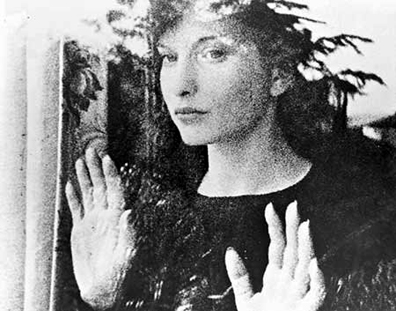
  • Meshes of the Afternoon- Reality and Dream: the line between the two is completely blurred, and the story becomes more and more layered in terms of this binary opposition as the short film continues. This includes in terms of characters and the mise en scene


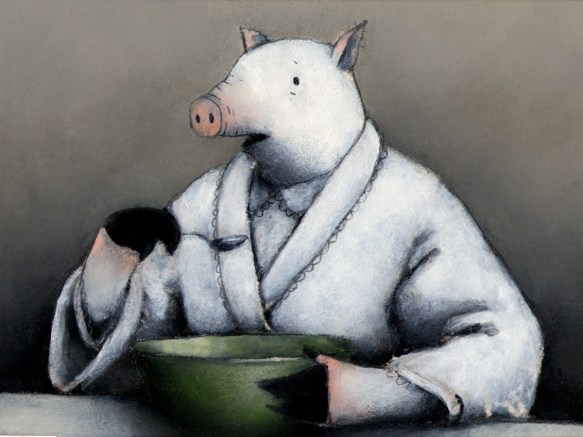
  • When the Day Breaks – Happiness and Sadness: the pig’s house at the beginning is full of happiness, but after the incident it was sadder, and emptier, the contrast of the pig and the Cockrill’s emotions, and the pig becomes sad after interacting with the Cockrill. Humans and Animals: The usual binary opposition of human and animals is brought together in this short film, as the animals act like humans. Isolation and being open to society: The pig opening up her blind at the end of the movie suggested that she was opening herself up to society again, which gave a sense of hope to the audience that she will be happy again, the pig isolates herself when sad, the film shows how even when we try and disconnect ourselves, everyone in society is still connected


How the films use similar of different techniques and structures

Similar

  • The use of mise en scene e.g. the lemon, the pipes/wires and the chair, the hat and bells, the key and the mirror and the flower
  • Narrative repetition in Meshes of the Afternoon, When the Day Breaks (the blind) and La Jetee
  • Non-linear narrative in Meshes of the Afternoon, La Jetee and Night Fishing(?)
  • The use of no dialogue in When the Day Breaks and Meshes of the Afternoon
  • Exploring the theme of mortality

Differences

  • The linear narrative in When the Day Breaks
  • The use of animals in When the Day Breaks (specifically an anthropomorphized short film)
  • La Jetee used photographs to tell the story (apart from one blinking shot)
  • La Jetee uses non-linear narrative to explore relationships and memory
  • When the Day Break’s use of mundane and everyday tasks


An analysis and comparison of how visual/audio elements create meaning


Identify and explore the messages and ideas of the film

  • All of the films explore the theme of mortality, but they all do it in different ways. But they all explore death’s impact on the individual, as well as others around them. Most of the films also use narrative repetition to explore this theme as well .Such as, the opening and shutting of the blind in ‘When the Day Break’, the repetition in ‘La Jetee’ of his death/being where he dies, and the repetition in ‘Meshes of the Afternoon’.


Can you apply an ideological analysis?

  • ‘Meshes of the Afternoon’ could be exploring nihilism and going against it, as the film shows that every action she made had an impact


How does the film make you feel? What does it make you think about?

  • When the Day Breaks: Your emotions changes with the main character’s, you’re happy when they are happy and sad when they are sad. It makes you think about how everyone is intertwined, and mortality.
  • Meshes of the Afternoon: You feel tense. It makes you think about mortality, and it makes you question the motives of all the characters.
  • Night Fishing: You feel a range of different emotions. You think about mortality and family.
  • La Jetee: You feel a range of emotions which tend to align with the protagonists feelings but not all of the time, such as at the end you’re just shocked. It makes you think about mortality and war.


Compare the similarities and differences in the technical and aesthetic approaches and effects of each film

  • Allot of the films used narrative repetition to explore the themes such as mortality and to help drive the narrative forward.
  • Meshes of the Afternoon looked as though it could have been influenced by German Expressionism due to the use of shadows
  • Night Fishing filmed during night and because it was trying to win the ‘filmed on an iPhone’ competition


Explore what technical/experimental aspects of the film you may wish to adapt or use

  • Maybe use some narrative repetition like all of the films
  • Maybe use a mirror as a symbol like in ‘Meshes of the Afternoon’
  • Maybe use some non-diegetic music like in ‘Meshes of the Afternoon’
  • Maybe use an upside-down shot like ‘Night Fishing’


Explore how aesthetic elements might inspire your own works

  • Purposefully making the audience feel the same way that the main character does
  • Making the mise en scene influence how the audience feel
Meshes of the Afternoon – Viewing Notes


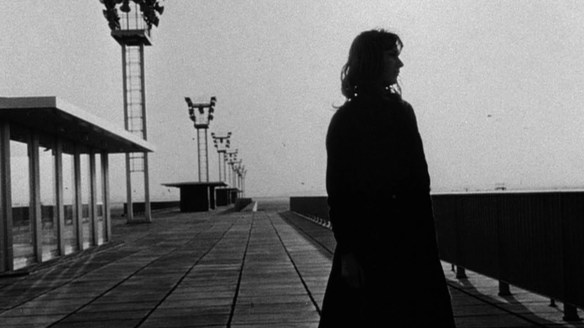
  • Use of shadows – dream-like, German Expressionism influence (?)
  • Non-linear narrative – narrative repetition and the break of this
  • Narrative repetition of stopping the vinyl (+ key etc)
  • Use of the sound to drive the narrative forward
  • The woman doesn’t have the flower the second time in the shadow, the mirror woman does
  • The repetition of walking up the steps – they’re both/all the same person
  • Use of slow-motion
  • Topsy turvy camera – dream and reality blurred
  • Reverse and unreversed (?) of going down and up the stairs
  • The theme of nature (ocean, grass, flower = knife)
  • Entrapment
  • Confronts him and herself
  • Suicide?
  • Froid – 3 parts of our mind
  • Biblical reference (sand, soil etc)

La Jetee – Viewing Notes


  • Nostalgia and photography
  • Way of reflecting the power and nature of photography
  • Voiceover foreshadows what happens next
  • Face turns into a skull – use of shadows
  • Repetition of images – slightly different/different position
  • Use of the heartbeat sound – non-diegetic
  • The theme of time
  • Whispering – invasive
  • Photo’s further and further away – calmer, peace
  • Does she want to be with him? Headless statue
  • Mortality – life and death
  • ‘timeless animals’ – theme of time and mortality
  • Future faces half in shadows – personality/morally/split
  • Narrative repetition/non-linear narrative
  • Blink – only bit of film
  • War – French and German

Night Fishing – Viewing Notes

  • Opens with a music video – musicians in the temple
  • Upside-down footage
  • Shot on an iPhone 4
  • Use of tracking shot
  • The colour of the sky fades into black and white
  • The use of water as a symbol
  • The use of sound e.g. the eerie noise
  • Bells – on the fishing rod, the woman holds them (fishing rod?), and they are used later on in the short film
  • Themes of mortality, death and spirit – throughout the film especially during the end
  • By the end, the narrative enigma’s tie-up
  • The man with the hat is one of the God’s in the temple
  • Between life and afterlife
  • Splitting life and afterlife – cloth rip


Short Films – Week 31 ISP


To complete your short film study from last week, review the four films and make notes on the following:


An analysis and comparison of how visual/audio elements create meaning

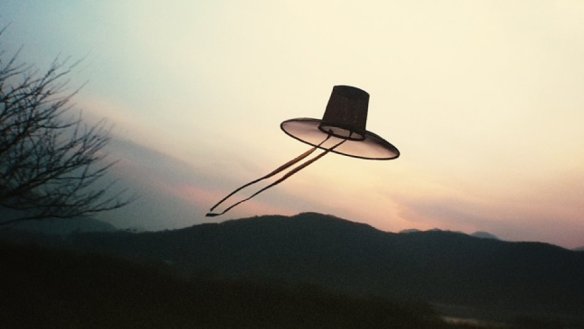
  • Night Fishing: In this short film they repeatedly use the sound of bells. For example, they are on the fishing rods, the woman shakes the fishing rod creating sound, and they are used during the ending sequence. They may tie in with the theme of mortality, or maybe link in with the theme of nature. In terms of visual, they bookend the film with the people who were on the walls.
  • Meshes of the Afternoon: The film has no dialogue and just uses non-diegetic music. In terms of visuals, there are several motifs like the key, the flower, the phone and the knife. There is also use of shadows (e.g. when we first see the woman’s shadow she is holding the flower, but the second time she is not) which links in with narrative repetition.
  • When the Day Breaks: The film uses circles, which could symbolise unity and how everyone is connected. Such as, the round biscuits, and the round circles that are drawn as part of the pipes. This film also has no dialogue, but there are lots of diegetic/foley noises.
  • La Jetee: there is a voice over throughout the entire film to help explain what is happening. In terms of visuals, the film is made entirely out of pictures apart from one shot of the woman blinking; being the only shot it adds more emphasis to this shot.


Identify and explore the messages and ideas of the film

All of the films explore the theme of mortality, but they all do it in different ways. But they all explore death’s impact on the individual, as well as others around them. Most of the films also use narrative repetition to explore this theme as well .Such as, the opening and shutting of the blind in ‘When the Day Break’, the repetition in ‘La Jetee’ of his death/being where he dies, and the repetition in ‘Meshes of the Afternoon’.


Can you apply an ideological analysis?

  • ‘Meshes of the Afternoon’ could be exploring nihilism and going against it, as the film shows that every action she made had an impact


How does the film make you feel? What does it make you think about?

  • When the Day Breaks: Your emotions changes with the main character’s, you’re happy when they are happy and sad when they are sad. It makes you think about how everyone is intertwined, and mortality.
  • Meshes of the Afternoon: You feel tense. It makes you think about mortality, and it makes you question the motives of all the characters.
  • Night Fishing: You feel a range of different emotions. You think about mortality and family.
  • La Jetee: You feel a range of emotions which tend to align with the protagonists feelings but not all of the time, such as at the end you’re just shocked. It makes you think about mortality and war.


Compare the similarities and differences in the technical and aesthetic approaches and effects of each film.

  • Allot of the films used narrative repetition to explore the themes such as mortality and to help drive the narrative forward.
  • Meshes of the Afternoon looked as though it could have been influenced by German Expressionism due to the use of shadows
  • Night Fishing filmed during night and because it was trying to win the ‘filmed on an iPhone’ competition


Explore what technical/experimental aspects of the film you may wish to use or adapt

  • Maybe use some narrative repetition
  • Maybe use a mirror as a symbol like in ‘Meshes of the Afternoon’
  • Maybe use some non-diegetic music like in ‘Meshes of the Afternoon’


Explore how aesthetic elements might inspire your own works

  • Purposefully making the audience feel the same way that the main character does
  • Making the mise en scene influence how the audience feel
How the short films use similar or different techniques and structures


Similar

  • The use of mise en scene e.g. the lemon, the pipes/wires and the chair, the hat and bells, the key and the mirror and the flower
  • Narrative repetition in Meshes of the Afternoon, When the Day Breaks (the blind) and La Jetee
  • Non-linear narrative in Meshes of the Afternoon, La Jetee and Night Fishing(?)
  • The use of no dialogue in When the Day Breaks and Meshes of the Afternoon
  • Exploring the theme of mortality


Differences

  • The linear narrative in When the Day Breaks
  • The use of animals in When the Day Breaks (specifically an anthropomorphized short film)
  • La Jetee used photographs to tell the story (apart from one blinking shot)
  • La Jetee uses non-linear narrative to explore relationships and memory
  • When the Day Break’s use of mundane and everyday tasks

La Jetee

la jetee

Director: Chris Marker

Year: 1966


How the protagonist and other characters are established and developed

  • We only learn about the woman through the man
  • The protagonist develops and is established by going back and forth in time, and through the non-diegetic sound of his heartbeat to convey emotion, as well as the voice over


How time and place are established and represented

  • Time is used as a massive part of the storyline and the structure of the movie. Going back and forward in time is intertwined with the theme of memories, love, childhood, relationships and war


The use of enigma and narrative crisis and resolution

  • The antagonists caused the crisis at the end of the movie, and this wasn’t resolved as it was right at the very end (you can’t escape the present?)


An exploration of binary oppositions in the films


Men and Women

  • You only see the woman through the man’s perspective


The present and the past/future

  • You can’t escape from the present
  • Switching between the present, past and future is a huge part of the narrative structure as well as the plot. The beginning introduces a childhood memory, and the ending explains this memory by showing the protagonist going back into the past
  • The animals are represented as timeless, just like the man and women in that moment

Night Fishing

night_fishing_2011_a_l

Directors: Park Chan-wook & Park Chan-kyong

Year: 2011


Notes 

  • Explores mortality
  • Filmed on an iphone

How the protagonist and other characters are established and developed

  • The protagonist is explored in interesting ways as they become seen through an entirely different body/person.
  • The singing people at the beginning are explored but only later in the film, and they are watching the protagonist?
  • The child makes the film very emotional
  • The woman is established through mystery


How time and place are established and represented

  • Night-time is when everything changes
  • The ocean is represented as dangerous????


The use of enigma and narrative crisis and resolution

  • A lot of the drama revolves around family struggles
  • The use of inanimate objects like the hat and the use of bells


An exploration of binary oppositions in the films


Humans and Nature

  • The man is shown as disruptive to nature? The amount of fishing rods seemed invasive, the cutting of the fish in close up seemed cruel and violent. However, at one point her wear no shoes possibly implying a closeness to nature.
  • The nature/sea/river is represented as dangerous to humans?


Men and Women

  • The man is shown as more emotional than the women


Night and Day

  • Bad things tended to happen at night?
  • The day tended to have beautiful nature shots and colour


Meshes of the Afternoon

meshes of the afternoon

Directors: Maya Deren & Alexandr Hackenschmied

Year: 1943


How the protagonist and other characters are established and developed

  • The protagonist takes the form of every character, and her character changes a lot throughout the film. This includes the form that she takes place, and by exploring the binary opposition of good and evil.


How time and place are established and represented

  • The protagonist is in a dream like state, and the line between reality and dream is blurred beyond recognition


The use of enigma and narrative crisis and resolution

  • The narrative crisis is heavily involved in the blurred line between reality and dream, as well as how the main character is actually all of the characters
  • The use of objects/mise en scene like the mirror, the key and the flower

An exploration of binary oppositions in the films


Reality and Dream

  • The line between the two is completely blurred, and the story becomes more and more layered in terms of this binary opposition as the short film continues. This includes in terms of characters and the mise en scene

When The Day Breaks

when the day breaks

Directors: Amanda Forbis & Wendy Tilby

Year: 1999


Notes:

  • Anthropomorphized short film
  • Explores the intertwining of everyone’s lives
  • Use of circles to emphasise the intertwining of everyone’s lives e.g. circle glasses, circle biscuits, circle drain, circles that help make the tap’s pipes, circle handle of the blinds
  • Non-verbal story telling
  • Motif of the lemon – symbolises bitterness in life?
  • Open ending?
  • Explores mortality


How the protagonist and other characters are established and developed

  • The Cockrill is portrayed as being sad, contrasting to the pig who is joyful and singing. However, after their interaction their emotions switch. The pig is then sad after the day has broken, and she has witnessed a death.


How time and place are established and represented

  • Everyone is shown as connected through the wires and pipes, as well as their actions effected each other’s lives. As well as through the use of circles to symbolise everyone and everything being connected.
  • Time – life can change in an instant, everything changes so quickly. They show their family albums showing how their long life has ended in a second.
  • Place – the pigs home seemed so happy before, the chair falling was part of the song and happiness. After the incident, the chair on the floor feels sad.


The use of enigma and narrative crisis and resolution

  • The narrative crisis causes a flip in the pigs’ life. It causes all happiness to go, and causes her to shut herself away from society
  • The resolution is her opening the blind to see the sun shining, suggesting she is ready to open herself up to the world again, understanding that we are all connected (unplugging the wire)


 An exploration of binary oppositions in the film


Happiness and Sadness

  • The pig’s house at the beginning is full of happiness, but after the incident it was sadder, and emptier.
  • The contrast of the pig and the Cockrill’s emotions, and the pig becomes sad after interacting with the Cockrill


Humans and Animals

  • The usual binary opposition of human and animals is brought together in this short film, as the animals act like humans.


Isolation and being open to society

  • The pig opening up her blind at the end of the movie suggested that she was opening herself up to society again, which gave a sense of hope to the audience that she will be happy again
  • The pig isolates herself when sad
  • The film shows how even when we try and disconnect ourselves, everyone in society is still connected