Moon Paragraphs


Representation of Gender in ‘Moon’

During the opening sequence of ‘Moon’ (2009) there is a montage sequence that shows the space station on the moon. During this montage, the audience is introduced to the worker Sam who is running on a treadmill. This performance and mise en scene could be seen as a visual metaphor for the ideology of capitalism, as it symbolises how Sam is putting in effort but getting nowhere, which links to hoe capitalism doesn’t help everyone. This would make sense, as the film often explores a Marxist critique of capitalism throughout the film, such as the heavy implication that the Sam’s working conditions aren’t nice. One example of this, is how the earth during the opening montage infomercial of archive footage is colourful and saturated, but the moon is desaturated and monochrome which has connotations of lack of emotion and happiness, giving the sense that where he works isn’t a very nice place to work. The Sam’s are the only workers on the moon, and them being male creates the binary opposition of men and women as there are no women who work on the moon. Instead, they are shown to be the ones who stay at home, in the form of Sam Bell’s wife a daughter. They are represented as a prize for the Sam’s to go back to. This is a negative representation of women, because it’s suggesting that men are the ones who do the physical labour jobs and it is slightly objectifying women. The film also includes negative representation of men, as it shows them as aggressive and quick to anger which is a stereotype. For example, during the Sam fight sequence, Sam two’s performance of physically throwing and destroying the model shows his anger. The model is also an important part of mise en scene, as it could be interested as a symbol for the world that the Sam’s want to live in, but their jobs prevent them from having, again criticising capitalism and capitalist company’s as the workers are not benefiting from their jobs. Another example of men being presented as aggressive during the fight scene is the close up of Sam’s blood, which makes the scene violent, not only showing how Sam is slowly dying as a clone, but also that the Sam’s, as males, are aggressive. A narrative device during this sequence is that the Sam Bell’s are played by the same actor, Sam Rockwell, which emphasises the theme of cloning and advanced technology (cloning humans) to the audience.


Binary oppositions in ‘Moon’

The binary opposition of the earth and moon is established during the opening equilibrium of the movie. One way in which this is done is through the mise en scene. For example, the opening montage infomercial sequence made from archive footage is the only part of the film where we see the earth. During this montage, the mise en scene is colourful, such as the greening fields, and saturated. This contrasts to the desaturated and monochrome moon and space station. Another contrast between this binary opposition is the cinematography, as during the infomercial montage, the lighting tends to be high key as it has positive connotations and Lunar Industries are trying to get across that they are a good company. But the montage of the moon includes functional lighting which is darker, and has a less positive connotations just like the monochrome aesthetic and desaturation. This mise en scene and cinematography was a way to show the unlikeable working conditions that Sam had to work in. This link to the ideology of capitalism, which the film often explores. This is because giving the Sam a bad working environment suggests that he is not happy where he works, meaning that he isn’t benefiting from his work and that links to ideology because not everyone benefits from capitalism. This would make sense as the film tends to display a Marxist critique or capitalism. The performance of Sam running on the treadmill supports this exploration of ideology, as it could be considered a visual metaphor for him working but achieving nothing, therefore how he is not benefiting from working for a capitalist company. The binary opposition of the earth and moon is continued during the ending equilibrium when Sam two leaves the moon to go to earth, and the mise en scene and cinematography includes bright colours zooming past him. As these bright colours are only used again when the destination is earth rather than the moon, it emphasises the negative connotations of the working place as well as being a reference to 2001: A Space Odyssey. This would make sense as it’s not the only reference to 2001: A Space Odyssey, such as the mise en scene of the chair that Sam one sits in after the fight scene which is reminiscent of the chair in 2001: A Space Odyssey.


Ideological analysis of ‘Moon’

One of the main ideologies explored in ‘Moon’ (2009) is environmentalism. One reason why it is used is to create the narrative device and technique of dramatic irony in the opening equilibrium. This is done through the opening montage infomercial for Lunar Industries, that uses archive footage. The infomercial’s aim is to promote Lunar Industries, hence the major piano non-diegetic music with positive connotations and the discussion and display of how Lunar Industries represent themselves as an environmentalist company. For example, the mise en scene contrasts a long shot of polluting factories to an extreme long shot of greening fields, with a voice over that explains how Lunar Industries are an environmentalist company. Originally, this would make the audience like Lunar Industries. This is because the film was made in 2009, and so environmental problems like global warming would be very real in the audience’s lives, and so being presented a company that has helped solve environmental problems makes them likeable. However, the animated sequence of the infomercial explains through mise en scene and voice over, how the company use the moon as an energy resource. The audience might recognise this as swapping one finite resource for another, and therefore how Lunar Industries are not as environmentalist as they like to appear. This creates the narrative device of dramatic irony, as the audience knows not to trust Lunar Industries before the protagonist. This is the only example of dramatic irony in the movie, as mystery is a theme of the film, and so not knowing that the company uses clones allows the audience to find out information at the same time as the protagonist, as well as keeping their interest in the film as they want to find out what is happening.


The function of narrative devices in the opening of ‘Moon’

The narrative device of the montage infomercial sequence made of archive footage during the opening equilibrium of ‘Moon’ serves function as it creates binary oppositions and starts to explore ideologies. For example, the contrasting mise en scene of the long shot of the factories and the greening fields, paired with the narrative device of the voice over, creates the sense that Lunar Industries are an environmentalist company. This would make the audience like them, as the film was made in 2009 and so environmental problems were very real in the audiences lives like global warming, and so seeing a company solve these problems is a good thing. However, the animated sequence suggests otherwise as the audience learns that they use the moon as an energy resource which is just swapping one finite resource for another, this therefore makes them seem untrustworthy and they are not as environmentalist as they try and make out to be. This creates dramatic irony, as we know that the company cannot be trusted before the protagonist does. The narrative devices of the opening montages also create the binary opposition of the earth and moon through cinematography and mise en scene as the earth is saturated and colourful such as the extreme long shot of the green deserts and the long shot of the beach, but the moon and space station is monochrome and desaturated creating negative connotations about the work place and creating the binary opposition of the moon and the earth.


The function of narrative devices in the ending of ‘Moon’

An example of a narrative device during the ending of ‘Moon’ that serves function is the voice over of the Eliza arrival timer that acts as a ticking time bomb. This narrative device creates tension in the audience, as we feel a pressure for Sam 2 to leave, before the arrival for his safety. We are proven right when they show up, and they are carrying guns, and their spaceship has a spiderlike shadow. The Eliza arrival narrative device has other meaning too, it’s a motif that has narrative repetition throughout the film emphasising its meaning, but it’s also heard when there is a long shot of Sam 3. This suggests that Sam 3 matters too, and that he should also be saved. This links to the film’s exploration of the ideology of nihilism and existentialism, and how this moment proves that every life is important, as the timer is shown as important to him too, despite the audience not even knowing who he is. Sam 3 is also a narrative device, as its narrative repetition of the Sam’s waking up.  This repetition throughout the film emphasises the unmoral way that Lunar Industries uses and creates workers, which links to the films exploration of capitalism, as it shows how not everyone benefits from a capitalist company. This makes sense as the film often uses a Marxist critique of capitalism.


Impact of narrative structure in ‘Moon’

One impact of narrative structure in ‘Moon’ is the use of the narrative device of the montage edit specifically during the opening equilibrium. This is because, the opening montage infomercial made from archive footage for Lunar Industries causes dramatic irony which is important for the rest of the film. It causes dramatic irony through the ideology of environmentalism. Lunar Industries claim to be an environmentalist company, shown through the voice over and contrasting mise en scene of polluting factories to greening deserts. However, the animated sequence proves otherwise as they use voice over and mise en scene to show how they use the moon as an energy resource which is just swapping one finite resource for another, and therefore they are not as environmentalist as they try and portray. This causes dramatic irony in the opening equilibrium as the audience know that they are not trustworthy before the Sam’s do. This makes the closing equilibrium of the Sam’s trying to escape even more tense as we have been anxious for them to escape since the very beginning. The narrative device and narrative repetition of the Eliza arrival voice over during the ending of ‘Moon’ helps build tension in the audience, as the time pressure and repetition emphasises the need to escape which was first brought about with dramatic irony. Comparing the opening and closing equilibrium gives a sense of the film’s ideologies. For example, the opening explores capitalism and how it doesn’t help everyone. It does this through the mise en scene, such as the visual metaphor of Sam running on a treadmill, symbolising how he’s putting work in but getting no benefit. As well as, the desaturation and monochrome aesthetic of the moon, contrasting to the earth which is colourful and saturated; this is a binary opposition and shows that Sam’s working conditions aren’t good. By the end of the movie, the Marxist critique of Capitalism is still being explored, such as through the tension of the Sam’s trying to escape as their work is dangerous. The audience are proven that Lunar Industries are a dangerous company with the cinematography as the Eliza arrival has a spider like shadow, and the mise en scene of the rescue team carrying guns.

 

Under the Skin Paragraphs


The function of narrative devices in the ending of ‘Under the Skin’

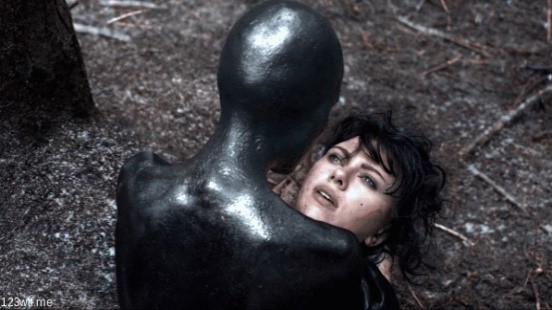
One of the main narrative devices during the ending of ‘Under the Skin’ is the flip of narrative repetition. Throughout the film, Laura, the alien, leads men into her abyss, which was inspired by Richard Wilson’s 20:50, as a predator. But at the end of the movie, a man is attacking her. Technical aspects of the film such as the low angle shot during the shopping mall sequence emphasise this predator like aspect to her, making her seem threatening to the audience. This also links to the binary opposition of men and women, which is also flipped at the end of the movie, as a man is now attacking the woman. As the motorcyclist was presented as emotionless throughout the film through his performance, having a cruel, evil and violent male at the end of the movie could make some audience members believe that the representation of men was unfair, as they were shown to be evil. Especially in comparison to Laura, who’s taking in of men was done in a non-violent way. Another narrative device during this ending sequence are the action reaction shots and the parallel action which build up tension and fear in the audience while Laura is running away, and we can see the man running behind her. As well as this, the lack of music could be considered a narrative device, as it shows the audience how they don’t need to be told what to feel or what to think, the scene is horrible enough on its own. Another way that the cinematography can be considered a narrative device are the mid-shots when Laura is running away, with tree’s in the foreground of the shot, creating the sense that the audience is spying on her, and adding to, and emphasising, the horrible and creepy emotions of the sequence.


Binary oppositions in ‘Under the skin’

The binary opposition of human and alien on ‘Under the Skin’ is both brought together and connected, as well as opposed. An example of the oppositions being opposed is the super imposed image of the close up of Laura’s human form, and the alien form, where they are facing different directions. This could be interpreted as symbolic of Laura now finding a new path in life on earth that is separate from her alien self, adding to the opposition of human and alien and how they are different. However, Laura becomes more human as she begins to feel more. For example, the close up of the fly on the window could be interpreted as a metaphor for the man she almost kills, and she feels sorry for him, and therefore saves him. She is also shown to be able to feel the connection to nature through the exploration of the ideology of Romanticism. This is shown by her running away to nature after the recognition of disequilibrium and the super imposed image of her sleeping among the extreme long shot of the forest, suggesting she feels free and connected to nature which is a human emotion. This contrasts to the mise en scene of the motorcyclist standing on the mountain, as it’s reminiscent of Caspar David Freidrich’s ‘Wanderer above a sea of fog’, which is all about the sublime, but as the motorcyclist feels no empathy and shows no sign of human emotion, we assume he cannot feel the sublime, contrasting to Laura who can despite actually being an alien, therefore bringing the opposition of human and alien together. However, empathy is also shown to not be a human trait, despite Laura learning this from humans. This was shown through the performance of the lady looking out her window when Adam’s character is forced into a car, and she does nothing, suggesting not all humans are good. This could possibly mean that Laura’s emotions are not a sign of her being more human, again contrasting the oppositions of human and alien.


The function of narrative devices in the opening of ‘Under the Skin’

An example of a narrative device in the opening of ‘Under the Skin’ is how the cinematography is used to create a jarring experience for the audience specifically during the opening equilibrium. An example of this are the sudden changes from high key lighting with high contrast, such as Laura standing by the woman, to low key lighting and shots that are jarring like the extreme close up of the ant. The sudden change from low key to high key lighting also sets up the binary oppositions of light and dark, and black and white. The director may have created a jarring experience so that the audience feels detached from the film right from the very beginning, just like Laura feels detached from society. The narrative device also makes the audience question what they are watching, which is important for the rest of the film as it tends to be quite symbolic, such as the symbol of the white van being empty during the long duration shot when Laura has left the van, symbolising how she has walked away from her old life. It’s also an example of her losing her identity because of what we can assume to be her job. This could link to the films exploration of capitalism as it’s showing how she isn’t benefiting from her work and instead suffering, which links to how not everyone benefits from capitalism.


Representation of Gender in ‘Under the skin’

The representation of gender in ‘Under the Skin’ links to the binary opposition of men and women. During the opening equilibrium of ‘Under the Skin’, the performance of the motorcyclist man is that he is emotionless. Such as, he emotionlessly picks up the unconscious woman, making the audience dislike him. This is a negative representation of men, as they are shown to be cruel and emotionless. Although the close sonic perspective noises of Laura undressing the woman add to the nastiness of her actions, and the emotionless way that she drops the woman’s head on the ground suggest the same representation for women, the film brings this down by the end of the movie feels empathy and rescues the man after physically and metaphorically stepping into the light while analysing herself in the mirror, whereas the representation of men doesn’t change by the closing equilibrium. This is because the man at the ned of the movie, is vile and cruel and aggressive. The performance of him chewing adds to his grossness, and the narrative device of lack of music shows how the scene and what he was doing was horrible enough, so it didn’t need music, as the audience didn’t need to be told what to feel. This representation of men is still that they are emotionless and cruel, therefore it is a negative representation men. They are also mainly represented as only being interested in sex, which is why they all follow Laura into her abyss black room, which was inspired by Richard Wilson’s 20:50.


Ideological analysis of ‘Under the skin’

An ideology that is explored in ‘Under the Skin’ is Romanticism. This is because Laura is shown to seek comfort in nature and make emotional connection to nature. For example, she runs to nature when she runs away. Plus, the super imposed image of her sleeping among the extreme long shot of the forest shows that she has found mental freedom in nature and connection with nature which ic a big part of the Romantics, it also links to the binary opposition of alien and human, as it emphasises how her character has become more human after feeling empathy. This is shown by her physically and symbolically stepping into the light during the long duration shot of her looking in the mirror, analysing her identity. To contrast, the motorcyclist man who has not felt empathy or become more human, cannot feel an emotional connection to nature. This is shown through the mis en scene of the extreme long shot oh him standing on the mountain which is reminiscent of Caspar David Fredrich’s ‘wanderer above a sea of fog’, which is all about the sublime, and most audience members assume that he cannot feel the sublime. The Romantics are also explored through the ideology of Romantic Primitivism as Laura loses her innocence through corruption by society. During the opening equilibrium, the performance of her staring at the ant suggests a childlike innocence and curiosity, but by the end of the film her innocence is lost because of society. The bright red colour of the fire when she is dead contrasts heavily to the white snow. As white is typically linked to and suggestive of innocence, her standing out from white could be a symbol of her loss of innocence.


Impact of narrative structure in ‘Under the skin’

An example of the impact of narrative structure in ‘Under the Skin’ is how the opening equilibrium is purposefully made to be a jarring experience for the audience. This is done through the cinematography, such as, the sudden change from low key lighting to high key and high contrast lighting, as well as, the extreme close up of the ant. All these things make it a jarring experience for the audience right from the beginning, which impacts how they view the film. It might make them feel detached from the film, allowing them to feel and understand how the protagonist Laura feels detached from society. As well as, it is making the audience question what they are watching which is important as allot of the film is symbolic and/or needs to be interpreted. Such as, the symbol of the white van that she uses being a symbol for her life and identity, and how the long duration shot of the empty van once she’s left symbolises how she has left her life and who she was. The narrative structure also has impact when you compare the opening equilibrium and closing equilibrium as it shows the films ideologies. One example of this is the ideology of Romantic primitivism. During the opening equilibrium, we see through a long shot Laura staring at an ant, this performance suggests a childlike curiosity and innocence to her. But by the end of the film, she has been corrupted and effected by society, which is what Romantic primitivism is about. For example, when she is on fire, the mise en scene of the bright red contrasts greatly to the white snow that is around her. As white has connotations of purity and innocence, her contrasting to this in her last moments could suggest her loss of innocence due to exposure to society.

Pan’s Labyrinth Mise en Scene Essay


  1. Discuss some of the ways in which mise-en-scène and editing are used in your chosen film to present a key issue. Refer in detail to specific sequences. [20 marks] (Pan’s Labyrinth)


During the Paleman scene of del Toro’s ‘Pan’s Labyrinth’, mise en scene is used to create meaning, and present key issues. For example, the close up of the pile of shoes. One way that an audience member can interpret this, is that they represent the shows of the incorrect princess’s, and that this mise en scene is used to evoke fear in audience, as it makes you worry that Ofelia will meet the same fate. Another way that the mise en scene of the shoes can be interpreted, is that they are a symbol of world war 2, and the holocaust; that they link to the pile of clothes in the concentration camps. This would link into more mise en scene during this sequence, the horrific images on the ceiling contextually link to Goya’s painting of Saturn eating his son. These two pieces of context link because Goya ate his son due to fear of him growing up and overpowering him, and the Nazi’s targeted children. These pieces of mise en scene and their contextual links evoke fear and panic in the audience for Ofelia. The editing is also used to do this. Such as, the parallel action of Ofelia and the timer creates fear and tension, as the time pressure makes the audience worry that Ofelia will be stuck with the dangerous Paleman. The action reaction shots of her and the Paleman when Ofelia is running away also causes tension, but also links into the representation of age. This is because Ofelia could easily overpower the Paleman, especially since she now has the sharp dagger. However, she chooses not to, therefore showing how children are less violent than some of the dangers adults like Vidal, possibly therefore also showing that children are the hope for the future after the effects of the Spanish Civil War, which the film was set shortly after.


Another example of meaningful mise en scene is the imagery of Ofelia favouring the left, such as the left lock and her left hand. For example, in the Paleman’s bool, Ofelia is shown using her left hand to cover up a lock. This symbolises her association with left wing politics rather than right wing, which Vidal associates himself with by favouring his right hand. When it comes to choosing a lock, despite the middle lock being shown in the book and the fairies indicating to the middle lock, Ofelia chooses the left lock. This helps to reinforce her association with left wing politics through symbolism, as well as adding to the theme of disobedience, as it was her disobedience that allowed her to succeed at the task, as she found the dagger. This is continued latter, when her refusal to cut her baby brother makes her succeed. This theme of disobedience links into the contextual exploration of fascism, as it symbolises how Ofelia will disobey against fascism. This would make sense as earlier in the film, the doctor told Vidal that obeying is something only people like him do.


Mise en Scene is also used in the Paleman sequence to explore the genre of bildungsroman. In the Paleman book, the mise en scene links to this genre as the Paleman’s arms form the fallopian tube shape, which is a motif and symbol throughout the movie, such as the mise en scene of the tree. The reminder of this genre during this scene is important, as it reminds the audience that Ofelia is growing up, and that she is still currently a child. This shows her strength as a child as she is able to escape from the Paleman, as well as reminding us of how the film is exploring how the war effects children which is a theme that del Toro often explores in his films, such as in ‘The Devils Backbone’.

British Film Ideology Essay


  1. ‘A comparison of the opening and closing sequences of a film reveals its ideological messages’: to what extent is this true of the films you have studied? [40 marks]


Comparing the opening and closing sequence of ‘Under the Skin’ reveals the films ideologies such as Romantic primitivism. During the opening equilibrium, there is a long shot of Laura staring at an ant on her hand. She comes across as staring at it with a childlike curiosity and innocence, especially since this is her first proper interaction with the world.  However, this innocence is lost as the film goes on. For example, the narrative repetition of her leading men into the abyss. The abyss room is similar to Richard Wilson’s 20:50, and it’s possible that the director was exploring environmentalism as the artwork used oil, and he portrays the abyss room as very negative. The abyss room is also completely black (binary opposition of white and black), contrasting to the abyss room at the beginning which had high contrast lighting and was completely white, this has connotations of her losing her innocence which happened after being exposed to society. During the ending equilibrium, the ideology of Romantic Primitivism is brought to a close with the mise en scene of her body on fire in the snow. The red fire contrasts to the white snow, and as white can have connotations of purity and innocence, it could be a way of contrasting her morality to goodness and innocence, suggesting that she has lost it. The film does however end on a shot of the snow falling down, which could be interpreted that the film is showing her as innocent still, however it can also be interpreted as a way of presenting the idea the Laura is at peace during death, and possibly going to a better place. It would make sense for this film to be exploring Romantic primitivism as it also explores the Romantics. Such as, the extreme long shot of the motorcyclist on the mountain which is reminiscent of Caspar David Friedrich’s ‘Wanderer above the sea of fog’ painting, which is about the sublime; the audience is left to consider whether the motorcyclist can feel the sublime like humans can, and will probably that decide that he cannot unlike Laura who now can, which is shown by the super imposed image of her sleeping among the trees, suggesting she is connected to nature and finds peace in nature.


Comparing the opening and ending scenes of ‘Under the Skin’ also reveals the ideology of feminism, which links to the theme of gender. During the opening of the film, both the motorcyclist man and Laura are presented as emotionless through their performance. Such as, the way that the man carries the woman and how Laura emotionlessly undresses the unconscious woman and drops her head on the ground when undressing her. However, the unconscious woman is shown as emotional, as when there is a close up of her face the audience can see that she is crying. By the end of the movie Laura has changed, she has become more emotional. This can be seen by her fear during the ending, which can be seen through her performance such as her scared noises and her facial expressions. Plus, the long shot of her crouching behind a tree in the forest makes her seem vulnerable, emphasising her fear. However, a lot of this ideology is explored during the middle of the film rather than just at the end and the beginning. Such as, how her change to becoming completely emotional happens during the middle when she analyses herself during the long duration shot when she looks in the mirror, and metaphorically and literally steps into the light. Plus, during the shopping mall sequence she is presented as a predator with the high angle shot of her on the escalator. The mise en scene of her picking a fur coat also shows her as a predator. This predator representation of women is continued when she leads men to their death in the abyss.  The non-diegetic music that follows her every footstep emphasises her power during this sequence, and therefore her predator like qualities. In this scenario, the men are shown to be the prey and the women are shown to be the predators, but this changes. Such as, when the bus man leads her to the castle, the narrative repetition of her leading men is flipped which is why she is so cautious to continue as she fears that it is a trap. And also, during the ending equilibrium, when she is chased by the log man. This sequence has a lack of music, as it is scary enough already which emphasises his cruelty towards Laura. As well as this, the motorcyclist can be interpreted as a failed predator during the ending, as the extreme long shot of him in the mountain suggests that he has lost Laura, and so cannot do any harm.


Comparing the opening and closing sequence of ‘Moon’ reveals the films ideologies such as Capitalism with a Marxist critique, as well as showing how the film explores the binary opposition of worker and employee. During the opening equilibrium, there is a montage of the moon and Sam on the moon, during this montage, Sam’s performance explores the ideology of Capitalism such as through the mise en scene of him running on the treadmill. This can be considered to be a visual metaphor of how he is putting effort into his job but getting nothing out of it; just like he is running on the treadmill but getting nowhere. This could be a critique of capitalism, as it is showing how Sam Bell is not benefiting from his job, and Capitalism doesn’t benefit everyone. The opening also shows this through the mise en scene/cinematography of the moon being desaturated, which contrasts greatly to the saturated and highly colourful earth during the opening montage infomercial made of archive footage. The moon being desaturated contrasting to the earth attaches negative connotations to the moon and Sam’s work life there. The ending equilibrium also explores the ideology of capitalism as it continues to show how the Sam’s do not benefit from their work, just like not everyone benefits from Capitalism. Such as, the first Sam we meet has to die, and the only time that the second Sam we met is exposed to anything positive is when he leaves the work environment. Such as, when he is travelling back to earth, the cinematography and mise en scene of colourful lights such as blue by his head have positive connotation, suggesting that leaving the workplace is beneficial for him.


However, comparing the films opening and ending is not always a good way to show its ideologies. Such as, the ideology of existentialism can’t really be found during the opening equilibrium but is still explored throughout the film such as during the ending. For example, the narrative repetition of the diegetic voice over of the Eliza arrival can be heard while there is a lingering long shot on Sam 3, which suggests that his life is important, despite being a clone. This links to the binary opposition of human and clone and how both are presented as important individuals. As well as this, Sam 1 dying to let Sam 2 leave suggests a meaning to Sam 1’s life, which links to the ideology of existentialism. In the same way that Sam 2 leaving to expose Lunar Industries can be seen as his meaning in life. However, the voice over of the reaction to him being on the earth presents the idea that people have not and will not react to him very well. For example, he is called a ‘wacko’ and an ‘illegal immigrant’. This could link to the ideology of nihilism, as it suggests that despite the Sam’s best efforts, they could not change anything such as the world’s opinions. Nihilism is also explored during the ending equilibrium as it is suggested through this voice over that the problem with the earth is the people on it, and that they cannot be changed, and so problems will still exist despite any effort to stop it. Such as the corruptness of companies like Lunar Industries which is shown during the opening equilibrium during the animated sequence of the montage edit. For example, we learn that they plan on using the moon instead of the earth for energy which is just swapping one finite resource for another suggesting that they are not as environmentalist as they try and seem.

Hollywood – Classical and New Hollywood Essay


Hollywood directors from the 1960’s onwards had to re-invent American cinema from the classical period of Hollywood. How do the films you have studied reflect the forces that shaped Hollywood style and form? [40 marks]


Hollywood directors from the 1960’s onwards had to re-invent American cinema from the classical period of Hollywood. One reason why this happened, was because of the Paramount decree, and studios having everyone on contract including directors was no longer allowed. Plus, specific context influenced the films depending on the time that they were made, for example, Casablanca, an example of a classical Hollywood film, is a propaganda film to spread ideas about world war 2 and America’s involvement in the war. For example, Rick says ‘I bet they’re asleep all over America’ which is a reference to American Isolation. Plus, the motif of the search light creates the theme of surveillance adding to the time that the film was set. To contrast, new Hollywood films tend to focus on other contexts of the time such as the quickly developing technology. Blade Runner, an example of a new Hollywood film, is a dystopian film set in the future, and advancement in technology is heavily featured in the movie. For example, the ability for replicants to exist. The film is suggesting a danger in rapid technological development and advancement such as with the replicants, because they take the place of children making the world seem unnatural, this links to the representation of children, as the replicants are children but look like adults. Other than this, cinema was influence by certain waves and movements. Casablanca was influenced by German Expressionism, as Curtiz the director spent time creating films in Europe. His use of strong shadows and controlled lighting are not only a part of what makes him an auteur as they are a recognisable feature, but this cinematography was used due to influence from German Expressionism. Such as, the strong shadows on the walls in Rick’s café of surrounding items, and how we see the shadow of Rick using the safe, rather than Rick himself, adding to the theme of secretiveness as well as being an example of influence from German Expressionism. This shadow technique was used by Curtiz in his other films as well, such as his robin hood movie.  To contrast, new Hollywood films were very influenced by the French New Wave. This involved more violence, sex and drugs. Blade Runner includes lots of violence, which wouldn’t have happened during the classical Hollywood time period. For example, after Pris has been killed, the mise en scene includes blood and sight of her insides. The performance of Roy then continues this gory violence as he puts his fingers on her blood and wipes it on his face. This contrasts greatly to the scene in Casablanca, where the man is shot during the opening, and no blood or wound is seen. Another example of influence from the French New Wave in Blade Runner is the close sonic perspective sound of Roy breaking Deckard’s fingers. This violence is something that wouldn’t have been included during the Classical Hollywood period.


Another noticeable difference and change between Classical Hollywood films and New Hollywood films is the difference in protagonist. Classical Hollywood protagonist were clear cut, and morally clear, as well as their motivations being obvious. For example, the montage flashback in Casablanca highlights to the audience that Rick’s motivation is based on his love for Ilsa. Such as, the mise en scene of them sitting together in the car suggesting a whirlwind romance. It was usual for Classic Hollywood films to include a flashback that revealed the protagonist’s motivations, while the rest of the film remained linear. It’s also very clear where the protagonist Rick stands in terms of political context. For example, we know he believes that American isolation from the war was wrong, ‘What time is it in New York?’ and ‘I bet they’re asleep all over America’. This was also part of the film being a propaganda film, America initially didn’t get involved in the war because they lost too many people and too much money last time, but after Pearl Harbour they got involved and it was important for cinema to support these ideas. A reason why money towards cinema was still allowed, as well as the use of silver nitrate for the cameras, was because cinema could be used for propaganda purposes as well as to boast morale. To contrast, Deckard the protagonist in Blade Runner is less clear cut, for example he is morally ambiguous which wouldn’t have happened in Classical Hollywood films. For example, the diegetic dialogue of Roy directly addresses this issue of the protagonist’s moral ambiguity when he says, ‘aren’t you the good man?’ during the ending sequence. This makes the audience question Deckard’s morals, especially since we begin to feel more sympathy for the so-called villain Roy. This is because of the representation of children, as Roy is a child in an adult’s body who has to cope with his own mortality as well as deal with the death of a loved one because the protagonist killed her. The performance and mise en scene of him crying over Pris’s dead body emphasises this sympathy that the audience has for Roy, as well as being good gender representation as it goes against toxic masculinity. Hi speech at the end continues this sympathy and connection with Roy, as the high key lighting has connotations of goodness, suggesting that Roy is the good character who just wants himself and his friends to live, contrasting to the protagonist who is trying to kill him. This creates moral ambiguity in the protagonist, which is a feature of New  Hollywood films rather than Classical Hollywood films.


Hollywood directors from the 1960’s onwards also reinvented cinema in terms of narrative. This is because the technical aspects of Classical Hollywood films such as cinematic time and space, 180 rule, narrative logic, editing and the camera were all centred around driving the narrative of the story forward. Such as, in Casablanca, the tracking shot inside Rick’s café that obeys the 180-degree rule that purposefully drops down on Sam is used to introduce his character and therefore progress the narrative further. The montage flashback is an example of editing being used to drive the narrative forward as well. To contrast, despite still using some of the same rules like the 180 degree rule, the technical aspects of New Hollywood films like Blade Runner were not only used to drive the narrative forward. One way it could be used, is for symbolism. Such as the motif and symbol of the unicorn, that suggests that Deckard is a replicant. This is because the mise en scene of the origami unicorn outside his apartment suggests that Gaff knew about Deckard’s dream, meaning it is an implanted memory. Another reason why the technical aspects like the cinematography were not just used to drive the narrative forward is because some things were included just because they looked nice. Blade Runner is a good example of this, as Scott was an art graduate rather than a film graduate and cared more about the appearance of the cinematography and mise en scene rather than the performance. The extreme close up of the eye at the beginning of the movie could been example of a shot only being included because it looks nice rather than to drive the narrative forward as it doesn’t give us any new information. Scott’s concentration on appearance rather than acting was a reason why the cast disliked him, as he would spend hours setting up a scene leaving not much time for the acting, and he’d also reshoot scenes just so that things like the shadows were right. At one point, Scott’s relationship with the crew was so bad that he was actually fired from the film. Scott also cared greatly about the sets and is knows for is baroque sets such as the building featured at the end of blade runner. He did this for appearance, rather than to drive the narrative forward.


Positioning and Alignment Essay (Beasts of the Southern Wild)


Account for the difference in positioning and alignment in the film you have studied. [20]


An example of the difference between positioning and alignment in ‘Beasts of the Southern Wild’ is when the spectator is aligned with Hushpuppy at the hospital, but positioned with Wink. The mid shot of Wink being told his medical problems is an example of being positioned with Wink, and the spectator can just about hear the diegetic dialogue of Wink being told he could die. Wink rejects the help of the hospital, adding to the theme of self reliance. In this moment, one response is to be aligned with Hushpuppy which could be considered to be the preferred reading and response. This alignment would come from feelings of empathy and sympathy for Hushpuppy, as she knows that her father will die and is seriously ill. The performance of Hushpuppy during the mid shot to close up after this moment shows the spectators that Hushpuppy is processing this serious information, and that she understands its seriousness as her facial expression is serious. However, a different response to this moment could be that during the entire scene we were both positioned and aligned with Hushpuppy, as the shot of her father could be interpreted as a point of view shot from her perspective meaning we are positioned with her as an audience. This is supported by how low camera angles are used throughout the film to emphasise how the narrative and film is seen and explored through her perspective. There is also a negotiated response to the alignment during this scene, as a viewer may believe we are aligned with both Hushpuppy and Wink, rather than just one of them. The changes in positions and alignment while involving these two characters is common in this movie. Sometimes it takes the for, of the difference between positioning and alignment with one character, then in the next shot with the other. An example of these different positioning’s and alignments is during the ending of the movie, when Wink is dying. We as spectators are mainly positioned with and aligned with Hushpuppy. Such as, the beyond close sonic perspective, subject positioning of the heart beat sound when Hushpuppy puts her ear to Wink’s chest. This emphasises our positioning  with Hushpuppy, as well as our alignment as we feel sympathy for her being in that situation. However, we are also positioned and aligned with Wink during this scene which is different to what’s normal in the film. For example, the close ups of his face position us with him, and his performance of his emotional facial expressions align spectators with him, as an active viewer may consider some of the thoughts going through Wink’s mind, such as how he is about to die, and what will happen to his daughter.

Another example of the difference between positioning and alignment in ‘Beasts of the Southern Wild’ is during the sequence where the social workers from the Levee come and force people from the Bathtub to go to hospital. In this scene, a spectator may feel that they are positioned with the social workers, but aligned with the Bathtub. For example, the over the shoulder shot when a social worker is forcing a woman to move could be interpreted as being positioned with the social workers, as we see from what is almost their perspective. Their performance of physically grabbing the woman and the over the shoulder shot makes the social workers seem like invaders, and this allows the spectators to be aligned with the Bathtub and to fear the social workers, despite being positioned with the social workers. This scene also adds to the binary opposition of the Levee and the Bathtub. The threat that social workers impose upon the Bathtub helps to create this opposition, through cinematography and performance that encourages spectators to feel a certain way. A spectator feeling as though the social workers were like invaders was probably the preferred reading and response to this part of the movie, and maybe the movie as a whole. However, an oppositional reading could be that the social workers were in the right, and were not like invaders. For example, the mise en scene of their clean clothes might suggest to them a sense of professionalism which could have connotations of trust. However, this is unlikely.

Some Ideas of Possible Influences from the Short Films – Draft 1 (not complete)


Night Fishing 


night fishing

One of the things that I found interesting about ‘Night Fishing’ was the upside-down shot. I would like to incorporate an upside-down shot into my film as I think it’s jarring for the spectator and forces them to consider the meaning of not only the shot but the scene.

nf 2


‘Night Fishing’ involves narrative repetition of the use of bells, both the sound of them and the sight of them (mise en scene). I would also like to incorporate narrative repetition into my short film but instead of the bells, it would be the mise en scene of the fairy lights which I’d like to incorporate in several scenes. The use of fairy lights in both the reading space and the imaginary world will emphasise the power that art has on our decisions.


When the Day Breaks 


fygvkgv


‘When the Day Breaks’ also uses narrative repetition (opening the blind both at the start and the end of the film) which I would like to include in my short film. The use of the narrative repetition in this film provides a sense of hope at the end, but mine is to show the power of creativity and making decisions (going against nihilism).


when the day breaks

This short film manages to tell an emotional and meaningful story, while using mundane and everyday actions which I also plan to do like going to work, reading, watching a film. I think it grounds the film and this way the viewers have a higher chance of relating to the protagonist of the story.


Meshes of the Afternoon


Capture

This short film also uses narrative repletion, which I plane to use in my short film.


guviug


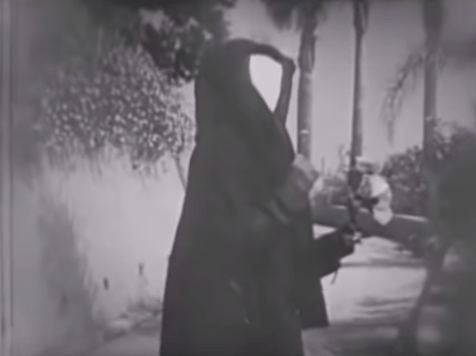
This short film uses mirror as a symbol which I would also like to use in my film during a pivotal moment in which the protagonist decides to take control of her life.

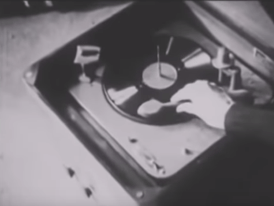
This short film also uses non-diegetic music, which I have considered doing in my short film as well to help convey the emotions of the scene, especially in the imaginary section as I could use the non-diegetic music to emphasise that it’s not real and to emphasises the sci-fi theme.


La Jetee


5d rftyfyt

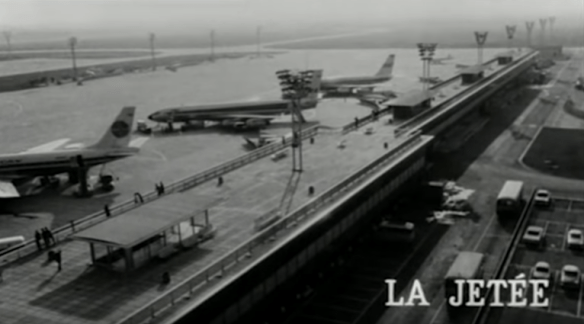
This short film is bookended by the same place (mise en scene, set) which I am planning on doing in my film as I want to open and close with the workplace, specifically in the boss’s office. However, I will open with the boss and close with Maya to show how she now has found the control.

Under the Skin – Editing Key Points


Opening Sequence

  • Graphic match/match cut of circle to eye being made


Shopping Centre Sequence

  • Montage and fragmentation – when picking the clothes which makes it seem as though Laura knows what clothes she wants already
  • Montage of others – the camera shows the aliens view of the world and learns from others. Also emphasises how Laura is alone contrasting to the others who are with other people


Middle Sequence

  • Parallel action of Laura, the man and the motorcyclist
  • Cross fade/super imposed image alien to/and Laura where Laura is looking in a different direction to the alien suggesting she has a changed/new path in life/she has changed her morals/shift in identity etc or maybe she’s looking inside herself or it shows that she is becoming human/she feels she’s becoming humane
  • Editing pace is slowed down during the mirror scene
  • Long duration shot – the mirror


Ending Sequence

  • long duration shot of the snow
  • super imposed – tree sleeping image
  • Slow editing/low cutting rate when running away which is unusual for a tense scene but it doesn’t need to tell the audience to feel tense as it’s already scary enough


Under the Skin – Sound Key Points


Opening Sequence

  • Speaking noises – possibly learning how to speak
  • hard to listen to non-diegetic noises that are fast paced, like it’s building something and it’s mechanical and inhuman which is jarring
  • close sonic perspective of the woman when clothes are being removed (muffled) which is uncomfortably intimate and could be from the unconscious woman’s perspective


Shopping Centre Sequence

  • The alien is quiet which contrasts to everyone else being very loud (diegetic/murmuring/indistinct) which makes Laura seem emotionless and isolated


Middle Sequence

  • non-diegetic eerie noise follows her footsteps – ritualistic and builds tension – hunting music (luring men/rape etc)
  • drumming like eerie sound when motorcyclist is catching the man and eerie noises – heartbeat/anxiety/anger
  • lack of sound (not silent) during the mirror scene


Ending Sequence

  • calm music when Laura is sleeping in the trees
  • no music when she is running because it is scary enough already
  • she makes scared noises – emotion/shows brutality of the man
  • eerie noise – reversal of previous scenes
  • Quiet when it’s the smoke and the snow
  • diegetic sound fades away when eerie noise comes on


Under the Skin – Performance Key Points

hj


Opening Sequence

  • motorbike man doesn’t speak and quickly and easily finds the woman (unnerving/ emotionless/focused)
  • The woman’s morality is off as she seems to be more interested in the ant when the audience is concerned for the human
  • The woman’s curiosity when looking at the ant suggests a childlike innocence that is lost as the movie continues
  • The unconscious woman cries (alive/paralysed/emotion)
  • The woman is emotionless when undressing her and drops her head down (focused/emotionless)
  • because Laura exhibits coldness and doesn’t show empathy for the woman, we don’t feel empathy or sympathy for her but this changes as the movies continues


Middle Sequence

  • Examining her face in the mirror and moves towards mirror – examining her eye/comparing herself to the man/examining who she is as a person and is the pivotal turning point in her character where she begins to feel empathy. Pivotal moment for her identity. Epiphany.
  • The man looks around and speaks – not just interested in having sex with her. He is the person who shows her not all humans just want sex and sparks her change of heart
  • Laura leaving the van shows her leaving her life/her job and Laura walks out of shot when she leaves the van – left her position and identity shift (proxemics)
  • Laura looks panicked
  • An old woman see’s the motorcyclist put the man in the trunk of a car – she does nothing – shows that not all humans feel humanity
  • The man walks back to civilisation from the countryside to the town
  • Motorcyclist is fast and vicious/aggressive/concentrated/emotionless


Ending Sequence

  • gets in the car (symbol of her old life) but it doesn’t start (symbol that she isn’t who she used to be) – a human thing to run to what should have been comforting
  • he’s forceful and brutal
  • face still blinks like the woman still cried
  • The way that she stares at the face shows empathy which contrasts to the beginning
  • Looks at the face like it’s a mirror – see’s what she isn’t/wanted to be
  • He’s chewing gum – gross/emotionless
  • Motorcyclist has lost Laura – because she became so different, he doesn’t know how to
  • The way that Laura killed people was less violent (leading them) than the man