
Extra Long Shot (ELS/XLS)
What:Human is equal to or less than 1/3rd the height of the frame.
Why:Identifies the location and/or establishes the kind of place/genre of film
Example:
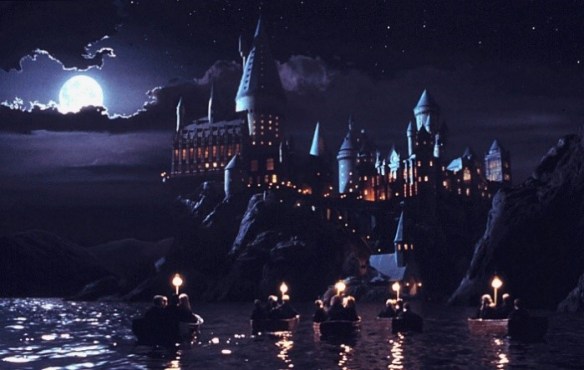
Film: Harry Potter and the Philosopher’s Stone
Director: Chris Columbus
Year: 2001
Long Shot (LS)
What: Human is almost equal to the height of the frame.
Why: Can identify what type of person a character is.
Example:
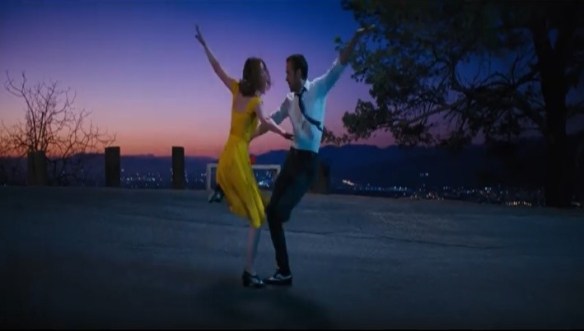
Film: La La Land
Director: Damien Chazelle
Year: 2017
Mid Shot (MS/Medium Shot)
What: A shot taken from a medium shot away. If of a person, you can see from their head to above the hips.
Why: This shot can show what a character is doing.
Example:

Film: Baby Driver
Director: Edgar Wright
Year: 2017
Close Up (CU)
What: A shot that tightly frames a person or object.
Why: Can be used to show how a person is feeling.
Example:
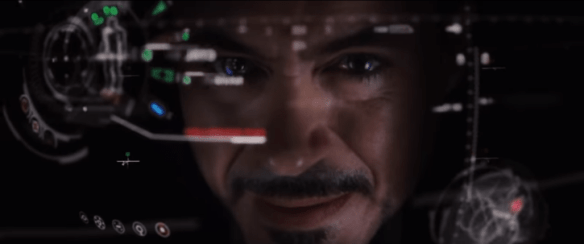
Film: Iron-man
Director: Jon Favreau
Year: 2008
Extreme Close Up (ECU/XCU)
What: Extremely close to something or someone and shows a lot of detail.
Why: Doesn’t usually show character reactions but is normally used to portray something specific.
Example:
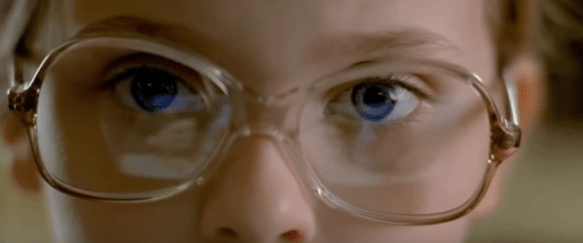
Film: Little Miss Sunshine
Director: Valerie Faris
Year: 2006
High Key Lighting
What: Light tones and not many shadows and brighter.
Why: Can suggest an upbeat mood but not always.
Example:
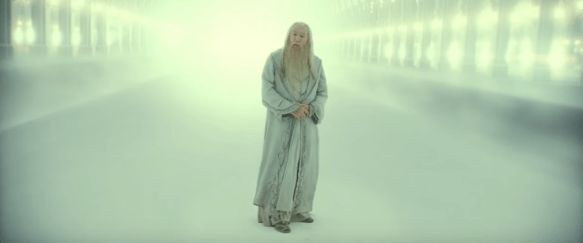
Film: Harry Potter and the Deathly Hallows Part 2
Director: David Yates
Year: 2011
Low Key/High Contrast Lighting
What: Contrasts between dark and bright.
Why: Convey mood, typically in horror films.
Examples:
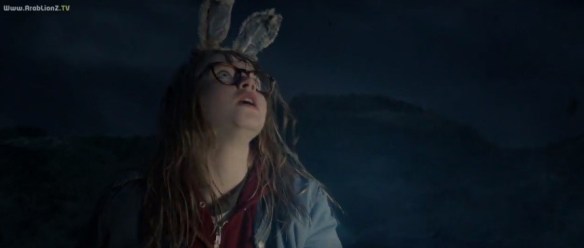
Film: I Kill Monsters
Director: Anders Walter
Year: 2018

Film: IT
Director: Andrés Muschietti
Year: 2017
 Georgia Newman Film Studies